
Design constraints have always shaped great architecture. In San Diego, rising water costs are quickly becoming one of the most powerful forces influencing how outdoor spaces are conceived, built, and maintained.
On January 1, 2026, water rates increased by 14.7%, with another 14.5% increase scheduled for January 2027, resulting in a cumulative 31.3% hike over two years. Sewer rates are also climbing steadily through 2029, making every gallon saved outdoors a direct reduction in long-term household operating costs.
The New Design Constraint: Imported Water
Nearly 90% of San Diego’s water is imported from hundreds of miles away, making the region one of the most import-dependent major cities in the country. That reliance carries infrastructure costs, vulnerability to drought conditions elsewhere, and the need for massive long-term capital projects.
The city’s Pure Water San Diego initiative aims to supply nearly half of the region’s water locally by 2035 through recycling and purification. While the program strengthens long-term resilience, the upfront investments required to build it are a key driver behind current rate increases.
For homeowners, the message is clear: outdoor design now carries financial weight in a way it did not a decade ago.
Where the Water Actually Goes
In dry climates like Southern California, as much as 60% of residential water use can occur outdoors. Historically, up to half of the water used in the City of San Diego has gone toward irrigating lawns and landscaping.
Compounding the issue, experts estimate that as much as 50% of irrigation water is wasted through evaporation, wind drift, and runoff from inefficient systems. Landscape design therefore represents the single largest lever most homeowners have to reduce consumption.
San Diego also maintains year-round mandatory water restrictions, including prohibitions on runoff, requirements to repair leaks within 72 hours, and restrictions on washing paved surfaces. Hardscaping, by its nature, requires no irrigation and avoids many of the compliance challenges associated with traditional turf.
Designing for a Climate With 10 Inches of Rain
San Diego’s coastal zones average roughly 10 inches of annual rainfall, with most precipitation concentrated between December and March. The region sees only about 21 days per year with measurable rain, compared to a national average of roughly 110.
For much of the year, any green lawn is sustained almost entirely by imported water. In coastal communities such as Solana Beach, where lots are often compact and views are prized, homeowners are increasingly rethinking how much square footage should be devoted to irrigation-dependent turf.
Thoughtful Solana Beach landscape projects now balance hardscape, structured planting areas, and permeable surfaces to create visually compelling yards that align with the realities of water scarcity. The result is not the elimination of greenery, but a more disciplined use of it.
Hardscape as Architectural Extension
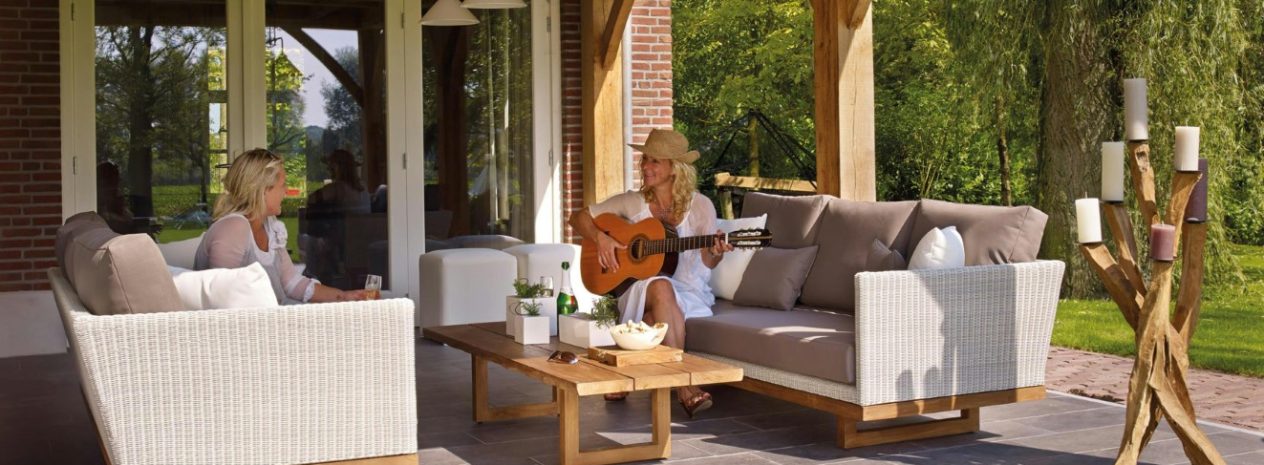
Hardscape, when designed intentionally, functions as an extension of the home rather than a substitute for landscape. A well-proportioned patio can define outdoor “rooms” for dining, lounging, and gathering, creating year-round usability that traditional lawn often cannot provide.
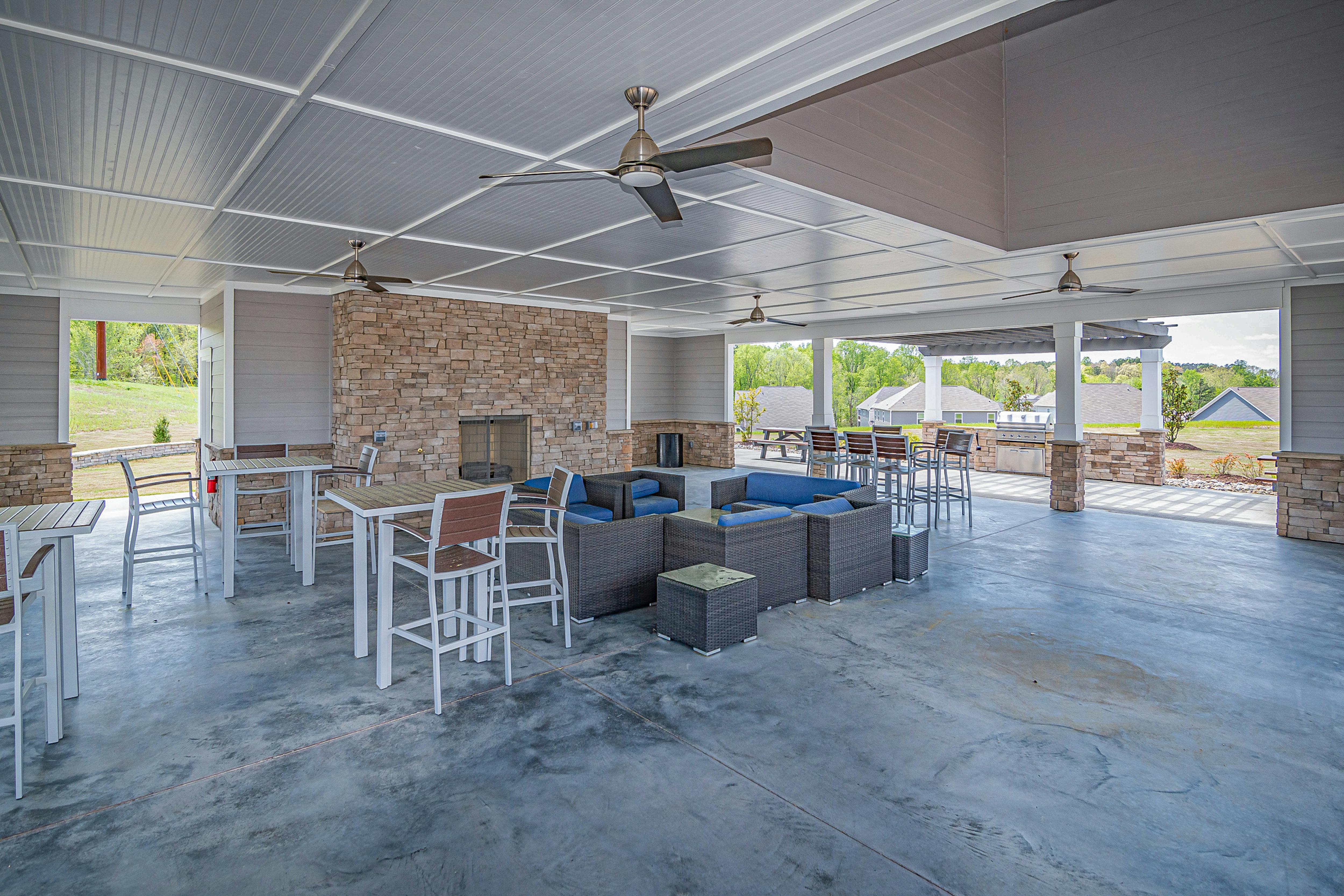
Materials such as permeable pavers, spaced flagstone, and decomposed granite allow for drainage and visual softness while eliminating irrigation demand. These surfaces reduce maintenance, prevent muddy runoff, and provide stable footing for furniture, fire features, and outdoor kitchens.
San Diego’s Landscape Transformation Program further encourages turf removal by offering rebates between $3 and $4 per square foot for qualifying conversions, up to 5,000 square feet for residential properties. Because turf uses an estimated 44 gallons of water per square foot annually, the long-term water savings are substantial.
It is important to note that impermeable surfaces such as solid-pour concrete do not qualify for turf replacement rebates on their own. Permeable hardscape systems, however, can complement rebate-eligible planting designs, allowing homeowners to combine usability with financial incentives.
Water Reduction as Environmental Design
San Diego County has set a target to reduce outdoor water use by 40% in both new and existing development by 2030. The county estimates that updated landscaping requirements could reduce greenhouse gas emissions by 17,535 metric tons by 2030, linking water-wise design directly to broader environmental goals.
For design-minded homeowners, this presents an opportunity rather than a limitation. Outdoor spaces can be reimagined as lower-water, lower-maintenance environments that feel refined and cohesive rather than constrained.
Designing Forward With Torrey Pines Landscape Company
Reconfiguring a yard around hardscape requires more than simply removing turf. Proportion, grading, drainage, material selection, and plant placement all determine whether a space feels welcoming or austere.
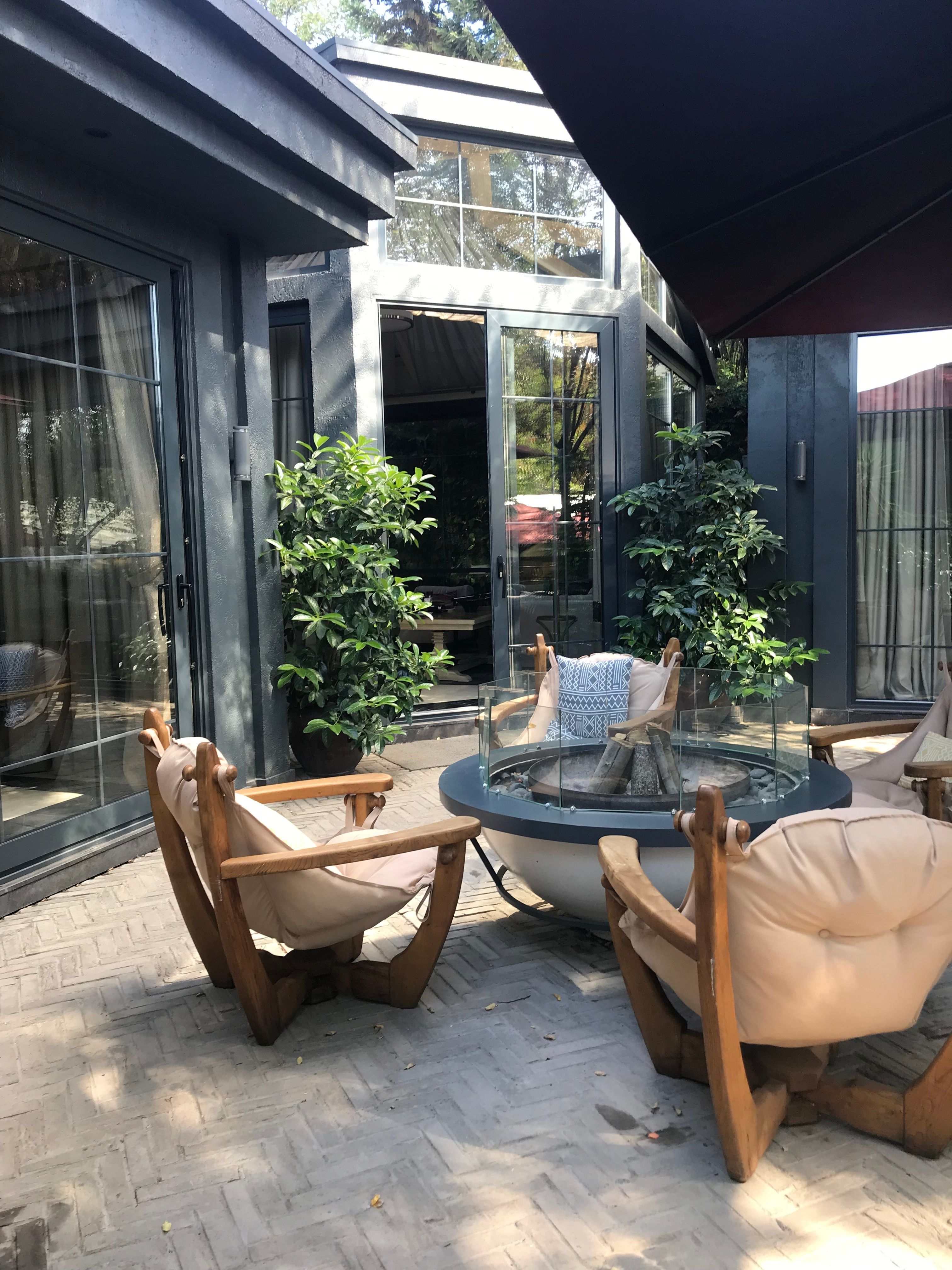
Torrey Pines Landscape Company approaches patio and landscape design as an integrated system, helping homeowners analyze how they actually use their outdoor space and how rising water costs factor into long-term decisions. Their designs often blend generous hardscape with carefully placed planters, structural greenery, and permeable surfaces that soften geometry without reintroducing heavy irrigation loads.
For coastal homes in Solana Beach and across San Diego County, this design-first mindset ensures that a full or partial hardscape transformation enhances property value and everyday usability rather than diminishing curb appeal. Their clients appear to recognize the value these designs bring to their homes:
Read Christine B.‘s review of Torrey Pines Landscape Company on YelpDesigning for the San Diego That Exists Now
San Diego’s water rates are not likely to reverse course, and permanent conservation policies reflect a regional commitment to long-term sustainability. In this context, landscape and patio design are no longer aesthetic afterthoughts but central components of responsible homeownership.
A thoughtfully designed hardscape does more than eliminate irrigation. It creates outdoor living space suited to a climate with limited rainfall, rising utility costs, and year-round usability potential.
For homeowners considering a waterwise transformation, the question is less about removing turf and more about designing forward. If you are evaluating how your yard can better align with San Diego’s water reality, Torrey Pines Landscape Company can help you craft a space that balances beauty, durability, and long-term efficiency.
Torrey Pines Landscape Company
+18584541433
5560 Eastgate Mall, San Diego, CA 92121